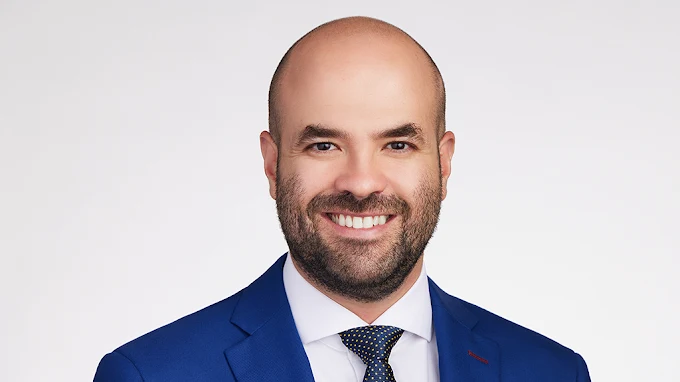
Camilo Correa, MD
Multidisciplinary surgical care for cancers of the pancreas, liver, bile ducts, and upper GI tract — with an emphasis on thoughtful decision-making, clear communication, and management of complex and high-risk cases.
Clinical Focus
- Pancreatic Cancer
- Pancreatic Cysts
- Liver Tumors & Metastases
- Bile Duct Cancer (Cholangiocarcinoma)
- Gallbladder Cancer
- Gastric & Upper GI Cancers
- Second Opinions
Expertise
Conditions Treated
Complex hepatobiliary and upper GI cancers require specialized surgical expertise and multidisciplinary coordination. Each condition below has dedicated resources to help patients and families understand their diagnosis and options.
Pancreatic Cancer
Surgical evaluation, resectability assessment, and Whipple or distal pancreatectomy when appropriate.
Learn more →Pancreatic Cysts
Risk stratification of IPMN, MCN, and other cystic lesions — surveillance or surgery based on evidence.
Learn more →Liver Tumors & Metastases
Hepatocellular carcinoma, liver metastases from colorectal and other primaries, and benign liver masses.
Learn more →Bile Duct Cancer
Hilar and distal cholangiocarcinoma — complex resections requiring careful staging and planning.
Learn more →Gallbladder Cancer
Incidental and known gallbladder cancer — staging, resectability, and appropriate surgical management.
Learn more →Gastric & Upper GI
Gastric cancer, GI stromal tumors (GIST), and complex upper GI cases requiring surgical oncology.
Learn more →For Patients
What to Expect
A new diagnosis raises many questions. These resources are designed to help you navigate the process — from your first visit through surgery and beyond.
Your First Visit
What happens at your initial consultation, what to bring, and how to prepare for a productive conversation about your case.
Read more →Understanding Your Diagnosis
How to interpret imaging reports, pathology results, and staging — explained in plain language.
Browse resources →When Is Surgery the Right Choice?
Surgery is a local therapy. Understanding how it fits with chemotherapy, immunotherapy, and other treatments — and when it doesn't — is central to good oncologic care.
Learn more about the role of surgery →Dr. Correa and his office staff are native Spanish speakers. He is also fluent in Italian. Consultations can be conducted in Spanish or Italian — whichever makes it easier for you and your family to understand, ask questions, and feel at ease throughout your care. Office communications and scheduling can be handled in Spanish as well.
Approach
Complex Problems Require More Than Technical Skill
A large part of surgical oncology is not technical — it is judgment. The question is rarely “can an operation be done,” but whether it should be done, when, and under what conditions.
Care is guided by multidisciplinary evaluation: surgery, medical oncology, radiation, radiology, and gastroenterology working together. Many patients seen here have already been evaluated elsewhere or present with problems that do not have a single obvious solution.
The goal is to make decisions that are oncologically sound, technically appropriate, and aligned with what matters to the patient.
About Dr. Correa →Referring a Patient?
Same-week consultations available for urgent oncology cases. Clinical criteria, insurance, and secure referral options — all in one place.